Should I Hire an Interior Designer? — An Honest Decision Guide
“Should I hire an interior designer, or can I just do it myself?” is a fair question, and the honest answer is: it depends on your specific situation, not on which answer benefits us more. Here’s a genuine breakdown of what each path actually costs — in money, time, and risk — so you can decide for yourself.
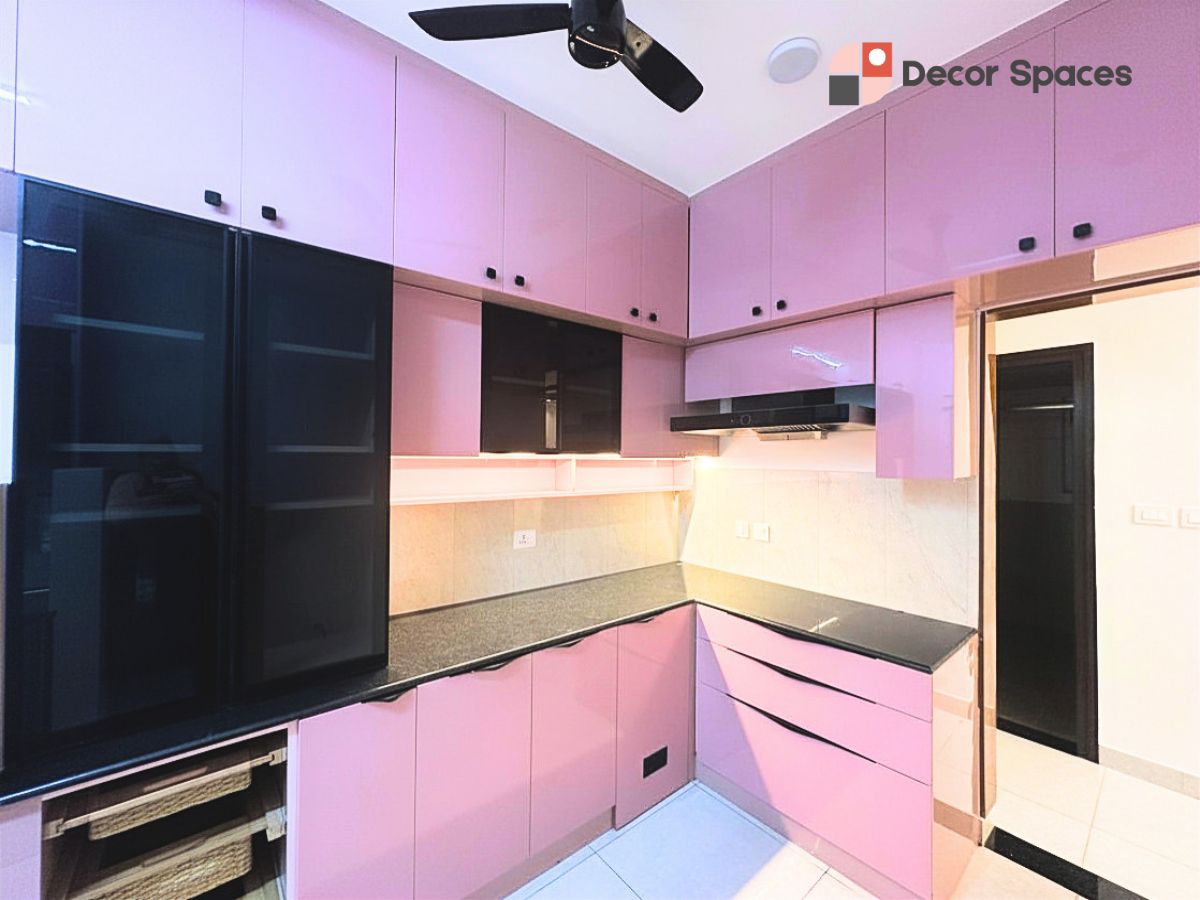
Whether you should hire an interior designer depends mostly on scope and time. A single room refresh with a flexible budget can work as DIY. A full home, a tight timeline, or wanting one point of accountability all point toward hiring a professional.
Should I Hire an Interior Designer: What DIY Actually Involves
DIY interior work is genuinely doable, but it’s rarely just “pick furniture and arrange it.” It typically means:
- Sourcing every material yourself — plywood, laminate, hardware, paint — usually at retail prices, not the trade rates a studio has access to.
- Coordinating multiple vendors independently — carpenter, electrician, painter, plumber — and managing their schedules against each other.
- No single point of accountability. If the wardrobe doesn’t fit or the paint doesn’t match, you’re the one chasing down whoever’s responsible.
- Learning material grades and specifications as you go, often through trial and error.
Not sure which path suits your project? A free site visit costs nothing to find out.
Book a free site visit →Should I Hire an Interior Designer: What You Actually Get
- Space planning expertise — a trained eye catches layout problems before they’re built, not after.
- Material sourcing support — a designer can help compare specifications, finishes and supplier options; actual material pricing depends on the selected products and vendors.
- Clear project coordination — responsibilities, payment stages, timelines and applicable warranty terms can be documented before execution.
- Project management — coordinating manufacturing, delivery, and installation without you having to manage each vendor separately.
- Quality checks built into the process — catching material or workmanship issues during production, not after installation.
The Real Cost Comparison
When comparing quotations, check the material grades, hardware specifications and included scope rather than comparing only the total. For applicable Indian product standards, you can refer to the Bureau of Indian Standards (BIS).
DIY often looks cheaper on paper, but three hidden costs regularly close or reverse that gap:
- Material markup you pay without trade access — often 10-20% more per item at retail pricing.
- Rework from design mistakes — a wardrobe that doesn’t account for a door swing, a kitchen layout that ignores the work triangle — fixing these after installation costs more than getting it right the first time.
- Your own time — coordinating vendors, chasing deliveries, and resolving disputes has a real cost even if it’s not on an invoice.
If your project is a single room, your budget is tight, and you enjoy the sourcing and coordination work — DIY can work well. If it’s a full home, your time is limited, or you want one company standing behind the whole result — hiring makes the difference between a smooth project and a stressful one.
When DIY Genuinely Makes Sense
- A single room refresh — repainting, new curtains, rearranging existing furniture
- A very constrained budget where professional fees would eat into material quality
- You have real design or carpentry experience already
Should I Hire an Interior Designer? When Professional Help Makes Sense

- A full 2 or 3 BHK home — see our 2 BHK or 3 BHK cost breakdowns for what’s involved
- A tight timeline where coordination delays are costly
- Wanting clearer responsibility for design coordination, execution and documented warranty terms
- New possession, where handover-specific logistics add complexity DIY coordination struggles with
Whichever way you lean, the same principle from interior design practice applies: plan the structure and materials carefully — that’s where mistakes cost the most to fix.
Get an itemised quote and see exactly what hiring a studio would look like for your home.
See our interior design services →FAQs
Should I hire an interior designer or do it myself?
Hiring a designer can make sense for a full-home project, when you have limited time to coordinate vendors, or when you want design and execution responsibilities documented clearly. DIY can work well for a smaller room refresh, a tightly controlled scope, or if you are comfortable sourcing materials and coordinating trades yourself.
Is it cheaper to design your own interior?
DIY can be cheaper upfront, especially for a small or simple scope. The final saving depends on how well you source materials, avoid rework and manage the time needed to coordinate different trades.
What does an interior designer actually do that I couldn’t do myself?
An interior designer can support space planning, material and finish selection, drawings, vendor coordination, site reviews and installation planning. The exact execution scope and applicable warranty terms should be confirmed in the project proposal before work begins.
Related reading: How to choose the best interior designer · 2 BHK interior cost breakdown · Modular vs carpenter kitchen