Bedroom Interior Design — Ideas & Complete Guide
Good bedroom interior design isn’t really about how the room photographs — it’s about how it feels at 11pm when you actually want to sleep, and at 7am when you’re getting ready in a hurry. Here’s a complete guide to getting the fundamentals right.
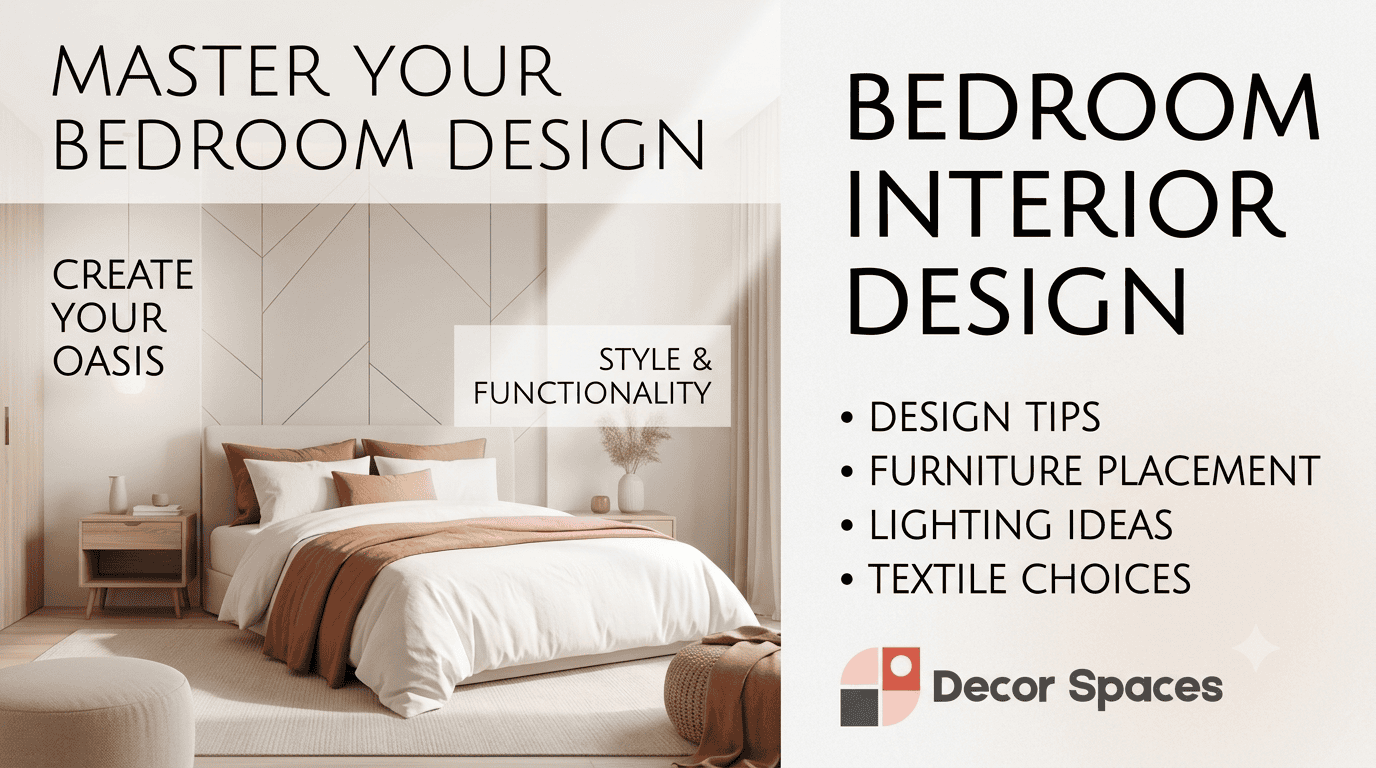
Storage genuinely matters most in bedroom interior design — an under-planned wardrobe undermines everything else. After that, layered lighting and a restful colour palette make the biggest difference to how the room actually feels to live in, not just look at.
Bedroom Interior Design: Getting the Layout Right
- The bed comes first — position it against the wall furthest from the door where possible, with clear walking space on at least one side.
- Wardrobe placement — ideally along a wall that doesn’t interrupt the room’s main sightline or block natural light from the window.
- Leave breathing room — a bedroom crammed wall-to-wall with furniture feels smaller than a slightly sparser room, even at the same square footage.
Want a layout that actually works for your room’s exact dimensions?
See our interior design services →Bedroom Interior Design: Storage Planning
The wardrobe is the single biggest design and cost decision in most bedrooms. For real guidance on sizing, door types and finishes, see our dedicated wardrobe cost calculator and our sliding vs hinged wardrobe comparison. Beyond the wardrobe itself, a few smaller decisions matter:
- Bedside storage — even a simple drawer unit keeps essentials within reach without cluttering the nightstand surface.
- Under-bed storage — genuinely useful in smaller bedrooms where every additional cabinet eats into floor space.
- A dedicated study or work corner — increasingly common; see our study room interior design guide if you need a proper work-from-home setup within the bedroom.
Bedroom Interior Design: Lighting That Actually Works
A single central ceiling light leaves a bedroom either too bright to relax in or too dim to get dressed by. Layer three types: ambient (general room light), task (reading light by the bed), and accent (a warm wall wash or cove light for evening mood) — each on its own switch if possible.
Bedroom Interior Design: Colour & Style Direction
- Muted, warm neutrals — the most restful default for a room meant for winding down, not high energy.
- One accent wall, not four — a deeper colour on the headboard wall adds character without overwhelming the room.
- Match the style to how you’ll actually use the room — see our simple bedroom ideas for a minimal, low-maintenance direction, or our modern bedroom design guide for a more contemporary look.
Bedroom Interior Design by Room Type
Not every bedroom has the same priorities. See our dedicated guides for the two most common variations:
- Small bedroom interior design — genuine space-maximising strategies, not just “use light colours.”
- Master bedroom interior design — what changes when it’s the primary, largest bedroom in the home.
Get a bedroom designed around how you actually live in it — free site visit, itemised quote.
Book Free Site Visit →FAQs
What is the most important element of bedroom interior design?
Storage planning genuinely matters most, since inadequate wardrobe space makes a room feel cluttered regardless of everything else. After that, layered lighting makes the biggest difference to how the room actually feels to live in.
What colours work best for a bedroom?
Muted, warm neutrals and soft earth tones are generally most restful for a room meant for winding down. Deeper accent colours work well on a single feature wall rather than throughout.
How much does bedroom interior design cost?
Cost is driven mainly by the wardrobe, typically ₹65,000-1.5 lakh depending on size and finish, plus smaller costs for a TV unit, false ceiling and study area if included.
Related reading: Small bedroom interior design · Master bedroom interior design · Wardrobe cost calculator