Premium vs Budget Interior Design What Really Changes?
Premium vs budget interior design is not simply expensive versus cheap. The real differences usually come from project scope, materials, hardware, finishes, storage complexity and how much custom work is included across the home.
Same home, different specificationScope · material · hardware · finish
01
Budget-focusedEssential rooms and practical storage first
Focused
02
Premium-focusedBroader custom scope and more detailing
Expanded
03
Materials & HardwareSpecifications can change the quote quickly
Compare
04
Decorative ScopeFeature walls, ceiling and display work
Optional
A premium specification should correspond to a clear difference in material, hardware, finish or custom scope — not just a package label.
Scope comes firstMore custom units can matter more than one premium finish choice.
Hardware adds upDrawers, lift-ups, pull-outs and organisers affect multiple rooms.
Finish changes perceptionLaminate, acrylic, veneer and glass create different looks and costs.
Spend where it mattersUse premium specifications where performance or visual impact justifies them.
Premium vs budget interior design is best understood as a difference in specification and scope, not a simple quality label. A well-planned budget interior can be functional and polished, while a premium interior may use more customised detailing, finishes and hardware across a larger portion of the home.
The most useful comparison
Compare what changes in the kitchen, wardrobes, materials, hardware, finishes and overall room scope rather than judging only by the final quotation.
The difference between budget and premium interiors often comes from the amount of custom work, finish selection and detailing across the home.
Premium vs Budget Interior Design: Key Differences
The clearest way to compare premium vs budget interior design is to look at individual project components rather than relying on broad package labels.
Area
Budget-focused approach
Premium-focused approach
Project scope
Prioritises essential rooms and useful storage
Extends custom design across more rooms and surfaces
Kitchen
Practical cabinetry, selected drawers and controlled accessories
More specialised storage, premium finishes and integrated detailing
Wardrobes
Functional internals with simpler shutter finishes
More drawers, accessories, customised internals and finish options
Living room
Compact TV unit and limited feature treatment
Larger feature wall, integrated lighting and more custom storage
Hardware
Essential hinges, channels and selected accessories
More specialised systems, pull-outs, lift-ups and organisers
Finishes
More laminate-led and controlled combinations
Wider use of acrylic, veneer, glass and detailed combinations
Project Scope Can Matter More Than the Finish
In premium vs budget interior design, the number of custom units can influence the final cost more than one material upgrade. A home with wardrobes, study units, foyer storage, TV wall, pooja unit and extensive ceiling work naturally carries more scope than a home focused mainly on kitchen and wardrobes.
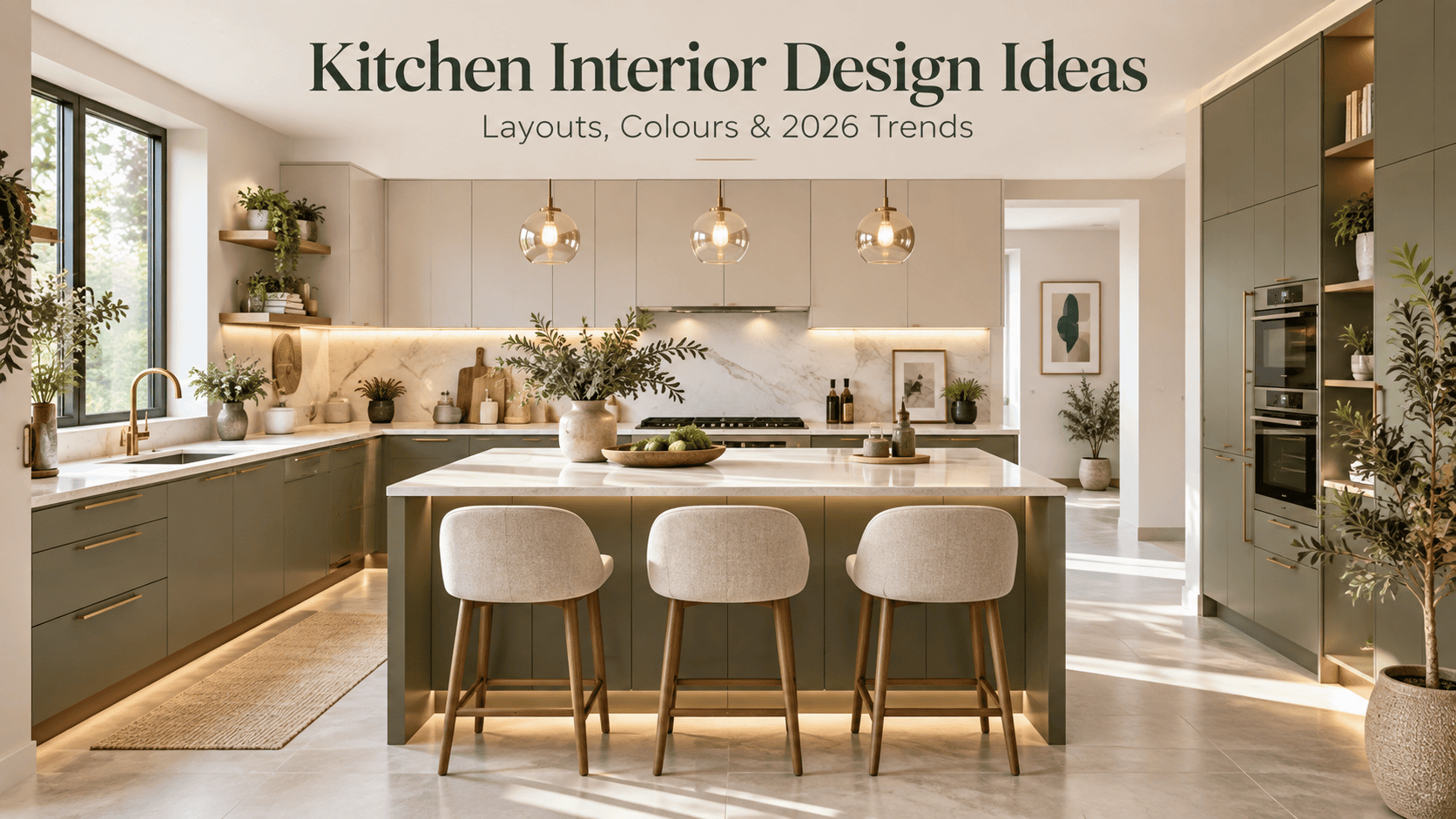
The kitchen makes the premium vs budget interior design difference easy to see because cabinet quantity, finish, hardware and accessories all affect both use and price.
A budget-focused kitchen can use practical laminate finishes and fewer specialised accessories.
A premium-focused kitchen may use more drawers, lift-up systems, pantry units and finish combinations.
Both approaches still need good appliance planning and sensible work zones.
A kitchen can stay cost-controlled without sacrificing workflow by simplifying finishes and accessories instead of reducing useful storage.
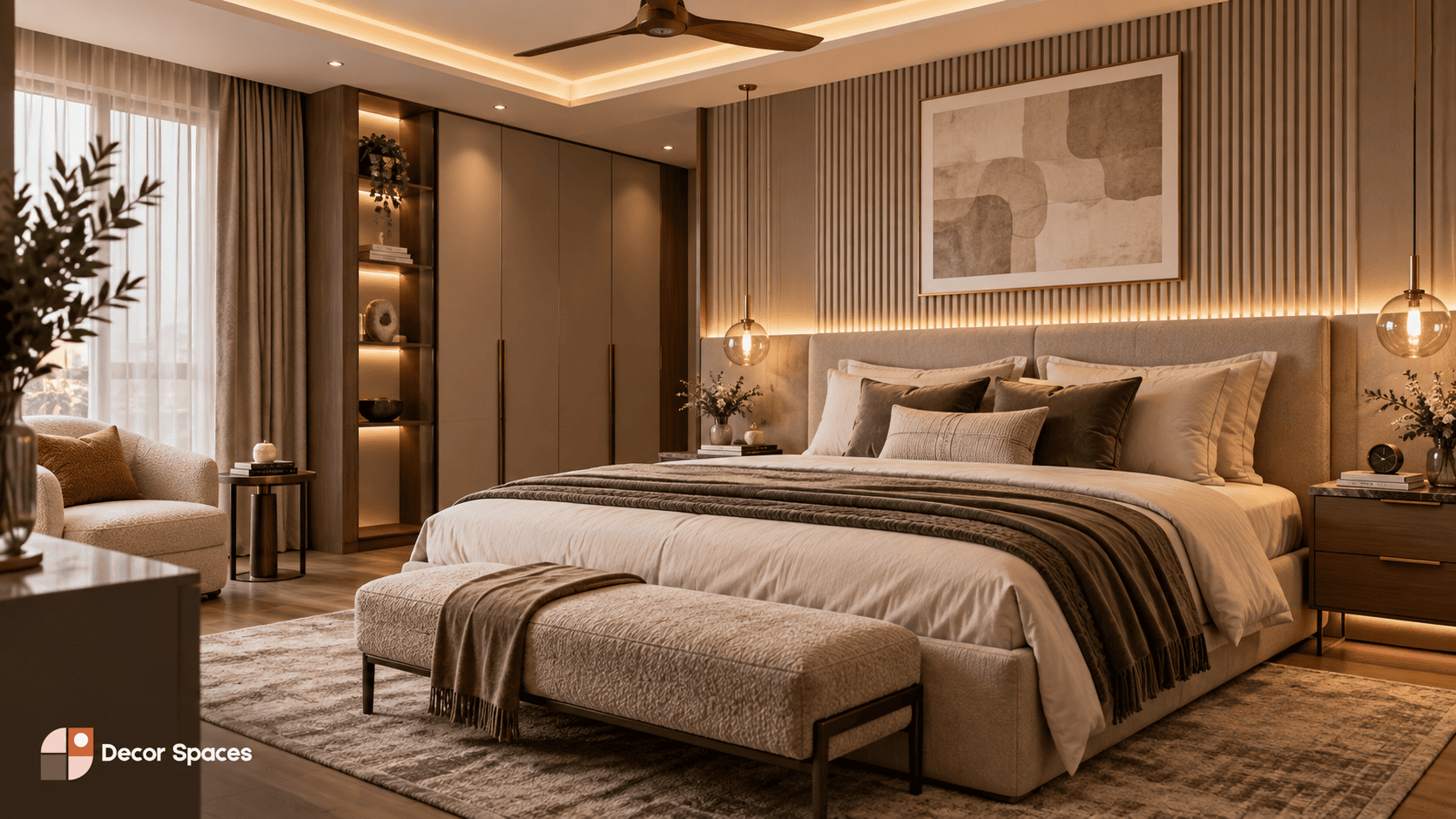
Wardrobe cost changes with size, shutter system, finish and internal complexity. In premium vs budget interior design, a budget wardrobe usually focuses on useful shelves and hanging space, while a premium wardrobe may add more drawers, pull-outs, glass elements or customised internal sections.
Wardrobe value comes from matching the internal layout to actual storage needs; extra accessories should be added where they improve daily use.
How Materials Change Premium vs Budget Interior Design
Material specifications are an important part of premium vs budget interior design, but the surface finish alone should not be used as a shortcut for overall quality.
Core board: compare the actual plywood, HDHMR or other board specification.
Shutter finish: laminate, acrylic, veneer and other finishes affect both appearance and price.
Hardware: check hinge, drawer-channel and accessory specifications.
Countertop: kitchen surface materials can change the overall scope significantly.
Living Room: Where Premium Features Are Most Visible
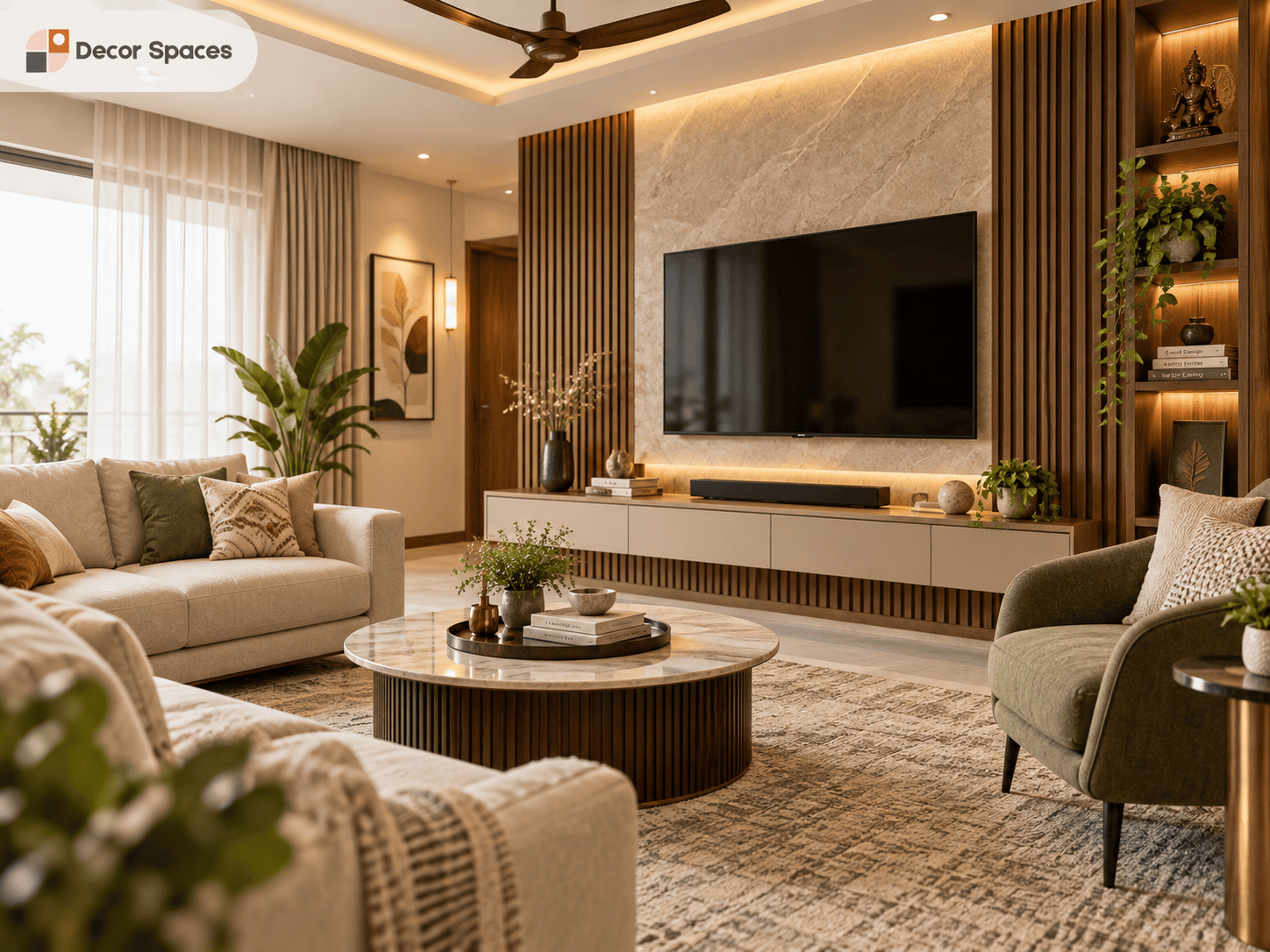
The living room is where premium vs budget interior design often looks most different. A budget-focused room may use a simple TV base unit and clean wall, while a premium-focused design may add fluted panels, lighting, display storage, textured finishes or a more detailed ceiling.
Living-room upgrades create strong visual impact, but they are also one of the easiest areas to scale up or simplify according to budget.
Where Paying More Can Make Sense
Premium vs budget interior design does not mean spending more everywhere. Premium specifications can make sense in high-use components or places where the visual difference matters strongly.
Frequently used drawer and hinge systems.
Kitchen storage that genuinely improves access.
Wardrobe hardware used every day.
Selected focal finishes in the living room.
Worktop or surface materials where durability matters.
Where You Can Save Without Making the Home Look Cheap
A good budget approach reduces excess rather than making every component cheaper.
Use laminate across larger areas and premium finishes only on focal surfaces.
Reduce unnecessary display units and open shelves.
How to Choose Between Premium and Budget Interiors
Start with your total budget, then decide which rooms deserve the highest specification. Premium vs budget interior design works best when the choice is made room by room rather than applying one finish level to the entire home.
For example, you can keep the guest bedroom simple while using better hardware in the kitchen and master wardrobe. This creates a balanced project without overspending on low-use areas.
What to Ask Before Comparing Two Interior Quotes
Before deciding whether one quotation is “premium” and another is “budget”, compare the details that actually change the project.
Room-wise cabinet dimensions.
Core material specification.
Shutter finish and edge treatment.
Hardware specification.
Internal accessories and organisers.
Countertops, ceiling and electrical scope.
Clear exclusions and optional work.
Premium vs Budget Interior Design FAQs
Is premium interior design always better?
Not automatically. A premium specification may offer more detailing, finishes and accessories, but the project still needs good planning and should match how the home will actually be used.
Can a budget interior still look premium?
Yes. A controlled material palette, clean detailing, good lighting and selective focal finishes can create a polished result without using premium specifications everywhere.
Where should I spend more in a limited budget?
Prioritise high-use areas such as kitchen hardware, essential wardrobes, worktops and important functional storage before decorative upgrades.
What is the easiest place to reduce interior cost?
Decorative wall treatments, extensive ceiling work, display units and low-priority accessories are usually easier to simplify than core kitchen and wardrobe functionality.
How do I know if a premium quote is justified?
Ask for a detailed comparison of materials, hardware, cabinet quantities, finishes and included rooms. The added cost should correspond to a clear difference in specification or scope.
Related Interior Planning Guides
Interior Design Cost in ChennaiUnderstand overall budget factors.Read guide →
You do not need the same finish level everywhere. Prioritise high-use areas, then scale decorative and premium features around the budget that makes sense for your home.